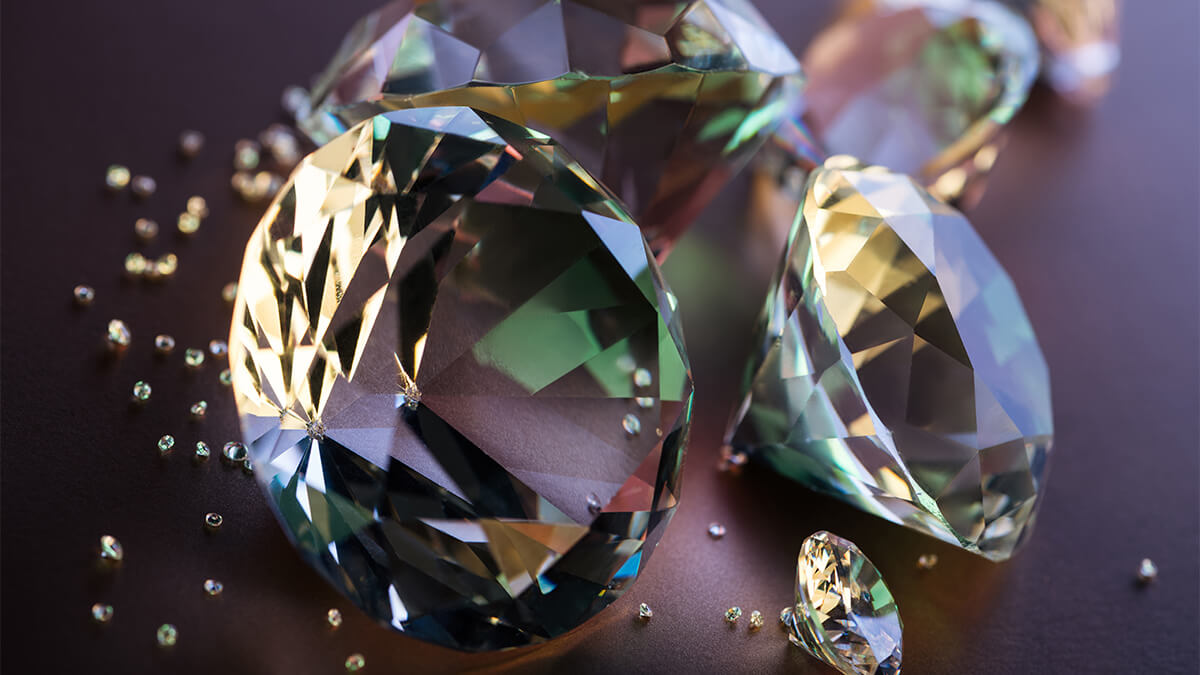
Significance Throughout History Of Cultures and Lab Grown Diamonds
In recent years, lab grown diamonds have emerged as a transformative force in the jewelry industry, challenging traditional perceptions and practices associated with natural diamonds. This article explores the intersection of cultures and lab grown diamonds, examining their cultural significance, environmental impact, economic implications, and future prospects.
Introduction to Lab Grown Diamonds
Lab grown diamonds, also known as synthetic diamonds or man-made diamonds, are produced through technological processes that replicate the natural diamond growing process. Unlike natural diamonds formed over millennia under the Earth’s crust, lab grown diamonds are created in controlled laboratory environments using advanced technological methods.
Cultural Significance of Diamonds
Diamonds have held a profound cultural significance throughout history, revered for their rarity, brilliance, and enduring beauty across various cultures. In many societies, diamonds symbolize wealth, purity, and eternal love, making them a centerpiece in ceremonies such as weddings, engagements, and milestone celebrations.
Historical Context of Diamonds in Different Cultures
Throughout history, diamonds have been treasured in cultures worldwide. In ancient India, diamonds were esteemed as symbols of strength and invincibility, often worn by rulers and warriors. In European cultures, diamonds became associated with royalty and nobility, adorning crowns, scepters, and jewelry of aristocrats.
Symbolism and Traditions Associated with Diamonds
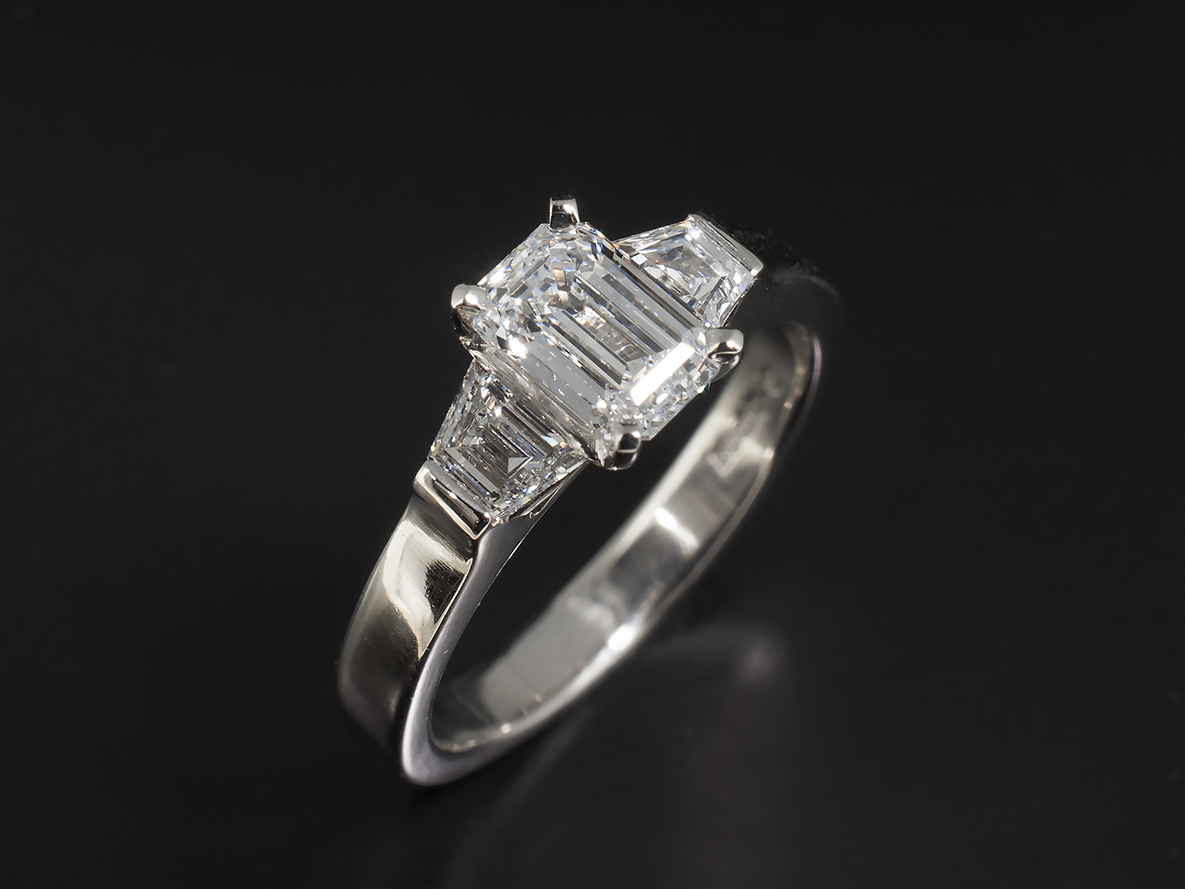
Across cultures, diamonds symbolize enduring love and commitment, making them a popular choice for engagement rings. In modern times, diamonds continue to represent luxury and status, influencing cultural perceptions and traditions related to gift-giving and celebrations.
Environmental Impact
The environmental impact of diamond mining versus lab grown diamonds is a pivotal consideration in today’s eco-conscious society. Traditional diamond mining operations can have significant ecological consequences, including habitat destruction, soil erosion, and water pollution.
Comparison of Environmental Impact: Mined vs. Lab Grown Diamonds
Lab grown diamonds, in contrast, offer a more sustainable alternative. They require significantly less energy and produce fewer carbon emissions compared to mining operations. By reducing the demand for mined diamonds, lab grown diamonds contribute to conservation efforts and promote environmental stewardship within the jewelry industry.
Sustainability Considerations
Consumers increasingly value sustainability in their purchasing decisions. Lab grown diamonds appeal to environmentally conscious consumers seeking ethically sourced alternatives to natural diamonds, thereby driving demand for sustainable practices in the diamond industry.
Economic Factors
The economic landscape of the diamond industry has been reshaped by the introduction of lab grown diamonds, influencing market dynamics and consumer behavior.
Cost Differences Between Natural and Lab Grown Diamonds
One of the significant factors driving the popularity of lab grown diamonds is their cost-effectiveness. Lab grown diamonds typically cost less than natural diamonds of comparable quality, offering consumers an affordable luxury option without compromising on brilliance or durability.
Impact on Diamond Industry and Market Dynamics
The growing popularity of lab grown diamonds has disrupted traditional market norms, prompting established diamond companies to adapt to changing consumer preferences. This shift has led to increased competition and innovation within the diamond industry, as manufacturers strive to meet the demand for lab grown diamonds while maintaining market share.
Technological Advancements
Advancements in diamond growing technologies have played a crucial role in the rise of lab grown diamonds, enabling manufacturers to produce diamonds that are virtually indistinguishable from natural diamonds in terms of quality and appearance.
Evolution of Diamond Growing Technologies
From early experimental methods to sophisticated growth chambers, the evolution of diamond synthesis technology has accelerated the production of high-quality lab grown diamonds. These technological advancements continue to push boundaries, paving the way for further innovation and improvement in diamond manufacturing processes.
Role of Innovation in Shaping the Industry
Innovation remains at the forefront of the lab grown diamond industry, driving research and development efforts aimed at enhancing diamond quality, scalability, and production efficiency. As technology continues to advance, the potential for breakthroughs in diamond synthesis holds promise for future market expansion and consumer adoption.
Quality and Aesthetics
The quality and aesthetics of lab grown diamonds are pivotal considerations for consumers evaluating their purchasing options between lab grown and natural diamonds.
Differences in Quality and Appearance
Lab grown diamonds exhibit identical physical and chemical properties to natural diamonds, characterized by exceptional brilliance and clarity. Advances in production techniques have minimized previous distinctions, offering consumers a wide range of choices in terms of size, cut, and color.
Consumer Perceptions and Preferences
Consumer perceptions of lab diamonds have evolved positively, driven by increased transparency and education initiatives within the industry. As awareness grows regarding the similarities between lab grown and natural diamonds, more consumers are embracing lab grown diamonds as a desirable and ethical choice.
Ethical Considerations
Ethical considerations surrounding diamond sourcing have garnered significant attention, particularly with regard to the issue of conflict diamonds sourced from regions of civil unrest.
Issues Related to Conflict Diamonds
The term “conflict diamonds” refers to diamonds mined in war zones and sold to finance armed conflict against governments. Lab grown diamonds offer a conflict-free alternative, providing consumers with assurance that their purchase does not contribute to human rights abuses or environmental degradation associated with traditional mining practices.
Ethical Sourcing and Transparency
Ethical sourcing practices are integral to the appeal of lab grown diamonds, as manufacturers prioritize transparency and accountability in their supply chains. By supporting ethical diamond alternatives, consumers contribute to sustainable development initiatives and promote responsible business practices within the jewelry sector.
Popularity Among Millennials and Gen Z
Millennials and Gen Z consumers are driving demand for lab grown diamonds, drawn to their affordability, sustainability, and alignment with ethical values.
Changing Consumer Attitudes Towards Lab Grown Diamonds
Younger generations are more inclined to prioritize sustainability and ethical considerations in their purchasing decisions, making lab grown diamonds an attractive option over traditional mined diamonds. As cultural attitudes shift towards environmental stewardship and social responsibility, the appeal of lab grown diamonds continues to grow.
Cultural Shifts in Jewelry Preferences
The preference for lab grown diamonds reflects broader cultural shifts towards conscientious consumption and ethical consumerism. Millennials and Gen Z consumers value authenticity and transparency in product origins, influencing trends in jewelry design and market offerings.
Diamond Jewelry Market Trends
The market for lab grown diamond jewelry has experienced significant growth, driven by shifting consumer preferences and advancements in manufacturing capabilities.
Growth Trends in Lab Grown Diamond Jewelry Sales
Sales of lab grown diamond jewelry have surged in recent years, propelled by increased availability and affordability relative to natural diamonds. As consumer awareness expands and retail distribution channels diversify, the market outlook for lab grown diamonds remains optimistic.
Market Projections and Forecasts
Industry analysts project continued growth in the lab grown diamond market, forecasting expanded market share and investment in production infrastructure. As technological efficiencies improve and consumer acceptance deepens, lab grown diamonds are poised to become a mainstream choice in the global jewelry market.
Consumer Education
Educating consumers about the unique attributes and benefits of lab grown diamonds is essential to fostering informed purchasing decisions and dispelling common misconceptions.
Educating Consumers About Lab Grown Diamonds
Initiatives aimed at educating consumers about lab grown diamonds emphasize their ethical sourcing, environmental sustainability, and comparable quality to natural diamonds. By providing clear and accurate information, industry stakeholders empower consumers to make choices aligned with their values and preferences.
Debunking Myths and Misconceptions
Misconceptions about lab grown diamonds, such as concerns about quality or authenticity, persist among some consumers. Clear communication and educational campaigns play a crucial role in addressing these misconceptions and building trust in lab grown diamond products.