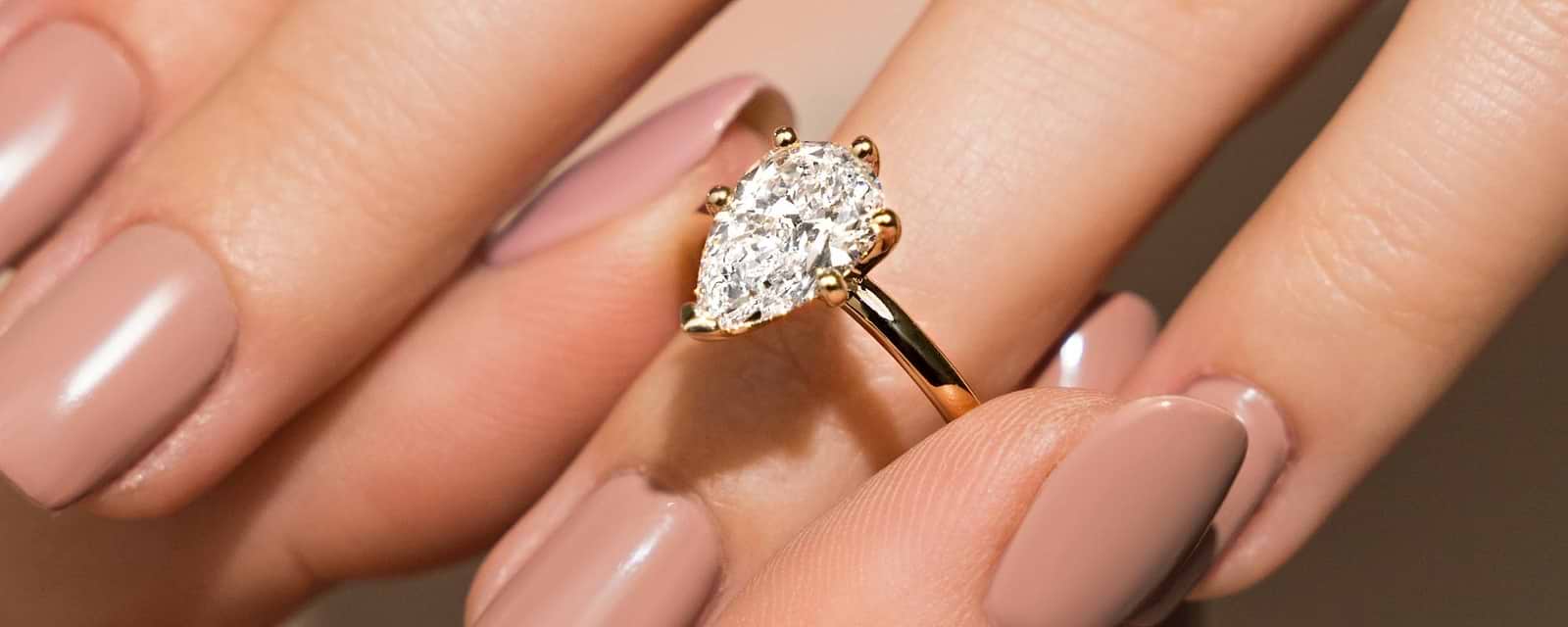
The Start of Novita Lab Diamonds and What It Means

Novita lab diamonds began when jewelry making took an unexpected turn. Growing gems in labs replaced digging deep into soil and rock. These aren’t copies – their makeup matches natural diamonds exactly. When someone looks at buying a stone, questions about price, source, and staying power often come up. Clear answers matter here. Real details help more than promises ever could. This method tackles concerns some have about ethics and scarcity. Whether it lines up with personal expectations depends on the person looking. Right off the bat, understanding begins here. How these stones form sets the stage – nature plays a big role, yet human hands shape them too. Quality shows up in small details, like clarity and cut precision. Price tags follow patterns, though surprises happen now and then. Before any purchase goes through, certain things must line up clearly.
How They Form
Out of today’s manufacturing tricks, two stand tall. Each one kicks off using a tiny diamond fragment.
High Pressure High Temperature
Inside special chambers, carbon wraps a tiny starter piece while crushing force and fierce warmth mimic the planet’s core. Pressure builds without warning. Heat climbs steadily like buried stone responding to ancient weight. Crystals emerge slowly where atoms lock into place under strain. A gem takes shape through patient change the start of Novita lab diamonds.
Chemical Vapor Deposition
Inside a closed space, heat splits carbon molecules from a dense gas. As temperatures rise, those freed particles stick one at a time to a base surface. Growth happens gradually under tight conditions. Identical results appear when checking output of both techniques. Their resistance matches natural diamond exactly. A spark lives in both, bright and clear if shaped right. Without close looking, spotting one from the other just won’t happen.
What Problem This Solves
Most folks worry about three things while picking out a diamond.
- Price pressure
- Ethical sourcing
- Transparency in grading
Heavy machines, wide stretches of land, and tangled delivery routes define old-style mining. Because of these, prices shift and tracking gets messy. Growing materials in labs swaps out that setup. What comes out arrives faster. Routes from maker to user shrink. Paper trails tend to be easier to follow. You might spend fewer dollars for a gem just as big and clear. Knowing where it started could come into sharper view. A single-carat round diamond, matched in cut, color, and clarity – mined versus created in a lab. They look identical side by side. Yet one costs notably less than the other. Because of that gap, choices open up. Money saved might shift how you plan spending
- Increase carat size
- Choose a higher clarity grade
- Invest savings elsewhere
Novita lab diamonds began right when things started moving faster, clearer. Efficiency found its match in these stones, traceability tagging along behind. What once felt slow now races ahead, guided by new rules. Clarity steps forward where confusion used to live. Progress shows up quietly, built one diamond at a time.
Understanding Quality Standards
Even if you know where it comes from, you must check how well it’s made. A familiar source won’t skip the basics. What really matters? These four things stand out when looking close
Cut
Light behaves differently depending on the cut. When a diamond is shaped just right, it bounces light around inside, making the whole thing shine. If the cutting missed its mark, the sparkle fades – no matter how good the color or purity look on paper. Always check what score the cut got. With round diamonds, only consider those rated Excellent or Ideal by an established lab.
Color
Starting at D, the scale measures diamond color. Colorless stones claim the top spot. Moving lower, hints of yellow begin showing up. Bright white appeal drives most choices from D to H. Choosing G or H makes sense when using rose or yellow gold settings. Savings appear without obvious trade-offs in face-up look. The metal frames the shade just enough.
Clarity
Most tiny flaws inside a gem show only under strong lenses. Clarity checks these hidden spots known as inclusions. Pick a stone rated VS1 or VS2 when matching looks with cost matters. Often, such diamonds look flawless even up close.
Carat
A stone’s appearance isn’t just about how heavy it is. Even when two gems weigh the same, their shape can change how big they seem. Pay attention to more than just numbers on a scale. How well it’s shaped matters just as much as its heft. Whether made underground or in a lab, these rules hold true.
Pricing Logic Worth Understanding
What something costs depends on how it’s made, what people want, where the brand sits in the marketplace, also its quality rank. Lab-made gems typically show up priced under natural ones that look just like them. Yet one shop might charge very different amounts compared to another. Check details closely if planning a purchase
- Request a grading report from a respected lab
- Compare at least three similar stones
- Check return and exchange policies
When spotting a one carat round diamond listed as D color and VVS1 clarity but priced way under average, question the reason. The grading lab matters – check its credibility first. Matching the certificate number to the actual gem holds importance. Descriptions alone won’t protect you. Proof comes through paperwork.
Durability and Long Term Wear
Luckily, durability isn’t weaker just because a gem forms in a lab. Identical to mined diamonds, its place at number ten on the Mohs scale holds firm. Daily bumps and contact won’t leave marks easily. Rings meant for promises or regular wear handle life without issue. Cleaning now and then with mild soap keeps things looking clear
- Wash using gentle soap together with lukewarm water
- Use a soft brush to remove residue
- Keep it apart so it does not rub against your other pieces
Few think about it, yet keeping things running smooth beats where they came from.
Resale And Value Expectations
What something sells for later ties directly to what buyers want. Mined stones kept their worth over time since they controlled most of the available stock. Lab grown gems haven’t yet built a strong after-market. When getting money back matters most, look into how stores handle returns today before you commit. Starting with looks often means price tags matter more than future value. Figure out what matters most. Is this purchase about money down the road or something that feels right today? Many go for the feeling, not the numbers.
Choose Without Doubt
Start by setting how much you can spend. What matters most comes next – size, look, color, maker, source. Line up verified options to see them together instead. Look at who sells it – their honesty counts. Grading papers should be clear. Answers need to match. Novita lab diamonds began as just another player stepping into a shifting market. Look past the label stuck on the box. What matters sits right there in your hand. Two stones, same report, same sparkle – now what. One fits smarter into your plans than the other. The move you make reveals more than preference ever could.
Common Questions
Are lab diamonds real diamonds?
Fine, they match natural diamonds in makeup and internal arrangement. Most lab tools can’t tell the difference – call them genuine without hesitation. What you get looks just like what comes from deep underground.
Could you tell them apart from natural gems? Maybe not at first glance.
Fake? Not really. If shaped and rated equally, their sparkle matches perfectly. Tell them apart only with tools made for that job.
Is certification important?
Right. Get a grading report from an established lab every single time. Because proof of cut, color, clarity, and carat weight means no guessing about what’s in front of you. What matters is knowing, not assuming.